What Determines Loan Interest Rates?
Interest rates on loans are not arbitrary; they are influenced by broader economic conditions and your personal financial profile. For federal student loans, Congress sets rates each year based on a formula tied to the 10-year Treasury note, plus a fixed margin. For private student loans and personal loans, lenders assess your creditworthiness, income, and other factors to determine the rate you qualify for.
- Federal student loan rates are set annually by Congress and are fixed for the life of the loan.
- Private student loan rates are typically based on a benchmark like SOFR and your credit score.
- Personal loan rates are set by lenders based on your credit history, income, and debt-to-income ratio.
Sources: Debt.org, Bankrate, Broadview Federal Credit Union
Federal Student Loan Rates: How They're Set
Federal student loan interest rates are determined annually by Congress and are fixed for the life of the loan. The rate is based on the 10-year Treasury note yield plus a fixed margin, with a cap for each loan type. For undergraduate loans, the margin is 2.05 percentage points, with a cap of 8.25%. For graduate loans, the margin is 3.60 percentage points, with a cap of 9.50%. For Parent PLUS loans, the margin is 4.60 percentage points, with a cap of 10.50%.
- Undergraduate loans: 10-year Treasury note + 2.05%, capped at 8.25%.
- Graduate loans: 10-year Treasury note + 3.60%, capped at 9.50%.
- Parent PLUS loans: 10-year Treasury note + 4.60%, capped at 10.50%.
Sources: Debt.org
Current Federal Student Loan Rates (2026-27)
For the 2026-27 academic year, the federal student loan interest rates are set as follows: Direct subsidized and unsubsidized loans for undergraduates have a fixed rate of 6.52%. Direct unsubsidized loans for graduate students have a fixed rate of 8.07%. Direct PLUS loans (for parents and graduate students) have a fixed rate of 9.07%. These rates apply to loans disbursed between July 1, 2026 and June 30, 2027.
| Loan Type | Interest Rate (Fixed) |
|---|---|
| Undergraduate (Direct Subsidized/Unsubsidized) | 6.52% |
| Graduate (Direct Unsubsidized) | 8.07% |
| Parent PLUS | 9.07% |
Sources: NerdWallet
Private Student Loan Rates: Factors and Ranges
Private student loan interest rates are set by individual lenders and vary based on your credit score, income, and whether you have a cosigner. Rates are typically based on a benchmark like the Secured Overnight Financing Rate (SOFR) plus a margin that reflects your creditworthiness. Private loans may offer both fixed and variable rate options. Advertised rate ranges from major lenders as of April 30, 2026, are shown in the table below. Only the most creditworthy borrowers may qualify for the lowest rates.
- Rates depend on your credit score and possibly a cosigner.
- Private lenders do not have a standard cap on interest rates.
- Unlike federal loans, private student loan rates can be lower or higher than federal rates depending on your credit.
| Lender | Fixed APR Range | Variable APR Range |
|---|---|---|
| Earnest | 4.49% - 9.99% | 5.88% - 9.99% |
| LendKey | 3.98% - 9.24% | 4.17% - 9.22% |
| SoFi | 3.99% - 10.99% | 5.74% - 10.99% |
Sources: University of Illinois Office of Student Financial Aid, NerdWallet, Bankrate
Personal Loan Rates: Typical Ranges and Factors
Personal loan interest rates are determined by lenders based on factors such as your creditworthiness, income, and debt-to-income ratio. Lenders price risk by offering lower rates to borrowers with stronger credit profiles. While rates vary widely by lender and individual circumstances, many borrowers see typical APRs in the 8% to 15% range. It is important to shop around and compare offers, as rates can be higher or lower depending on your financial situation.
- Rates typically range from 8% to 15% APR for many borrowers.
- Your credit score, income, and debt-to-income ratio are key factors.
- Lenders may offer lower rates to borrowers with strong credit histories.
Sources: Broadview Federal Credit Union
Comparison: Personal Loans vs. Student Loans
When deciding between a personal loan and a student loan, it's important to compare interest rates, fees, and repayment terms. Federal student loans generally have fixed, lower rates and offer borrower protections such as income-driven repayment, deferment, and forgiveness options. Personal loans may have higher rates and often require repayment to begin within 30 days, but they can be used for any purpose.
| Loan Type | Interest Rate Range | Origination Fee | Repayment Start | Borrower Protections |
|---|---|---|---|---|
| Federal Undergraduate Student Loan | 6.52% fixed (2026-27) | 1.057% | After graduation or leaving school | Income-driven repayment, deferment, forbearance, forgiveness |
| Federal Graduate Student Loan | 8.07% fixed (2026-27) | 1.057% | After graduation or leaving school | Income-driven repayment, deferment, forbearance, forgiveness |
| Federal Parent PLUS Loan | 9.07% fixed (2026-27) | 4.228% | After graduation or leaving school | Deferment, forbearance, no income-driven repayment |
| Private Student Loan | Variable; from ~3.98% to ~10.99% APR (see table above) | Often none | Often while in school (small payments) or after graduation | Limited; no income-driven repayment or forgiveness |
| Personal Loan | Typically 8% to 15% APR for many borrowers | Varies; some lenders charge origination fees | Usually within 30 days | None; no deferment or forgiveness |
Sources: Broadview Federal Credit Union, NerdWallet, Edvisors, University of Illinois Office of Student Financial Aid
Fixed and Variable Rates: Pros and Cons
Fixed interest rates remain the same for the entire life of the loan, providing predictable monthly payments. Variable rates can fluctuate with market benchmarks, so your payment may increase or decrease over time. Understanding the pros and cons of each can help you choose the right option for your situation.
- Fixed rate: Monthly payments stay constant, easier to budget.
- Fixed rate: You are protected from rising interest rates.
- Fixed rate: You may pay more compared to a variable rate if rates fall.
- Variable rate: May start lower than fixed rates.
- Variable rate: Your payments can increase if the benchmark rises.
- Variable rate: Budgeting can become more difficult if rates fluctuate.
- Federal student loans offer fixed rates only; private lenders may offer both.
Sources: Broadview Federal Credit Union
How to Get the Lowest Rate
To secure the lowest possible interest rate, you can take several steps. For federal student loans, the rate is the same for all borrowers regardless of credit score, so you cannot negotiate it. For private student loans and personal loans, improving your credit score, reducing your debt-to-income ratio, and applying with a cosigner can help you qualify for lower rates. Shopping around and comparing offers from multiple lenders is also essential. You may be able to negotiate with private lenders if you have competing offers.
- Check your credit score and correct any errors on your credit report.
- Pay down existing debt to lower your debt-to-income ratio.
- Consider adding a cosigner with strong credit to private loan applications.
- Compare offers from multiple lenders, not just the first you receive.
- Understand the difference between APR and interest rate to evaluate total cost.
- Use competing offers as leverage to negotiate a lower rate with private lenders.
Sources: Simmons University, StudentChoice.org, University of Illinois Office of Student Financial Aid
Historical Rate Trends
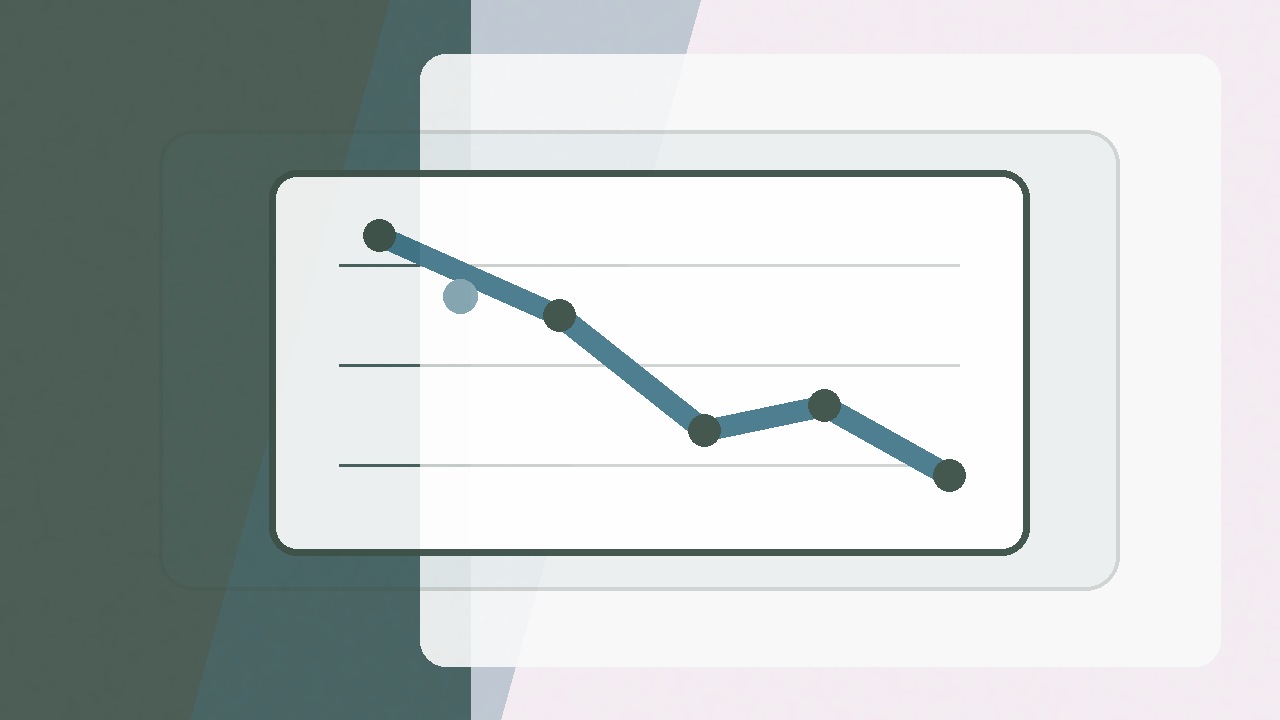
Federal student loan interest rates have varied over the past decade due to changes in the 10-year Treasury note yield and the formula set by Congress. While historical data helps illustrate the trend, it's important to remember that rates are reassessed each year and depend on economic conditions.
- Rates are tied to the 10-year Treasury note, so they rise and fall with the bond market.
- Congress can change the formula, but it has remained consistent in recent years.
Sources: Debt.org
Understanding APR and Fees
APR (Annual Percentage Rate) represents the yearly cost of a loan, including both the interest rate and any additional fees, such as origination fees. When comparing loans, APR provides a clearer picture of the total cost than the interest rate alone. Federal student loans charge origination fees (1.057% for Direct loans, 4.228% for PLUS loans), while most private student lenders do not charge origination fees. Personal loan origination fees vary by lender.
- APR includes interest rate plus fees, giving a truer cost comparison.
- Federal Direct loans: 1.057% origination fee for subsidized/unsubsidized loans.
- Federal PLUS loans: 4.228% origination fee.
- Most private student lenders do not charge origination fees.
- Personal loan origination fees vary by lender.
Sources: Simmons University, Edvisors, StudentChoice.org
Resources for Current Rate Information
For the most up-to-date interest rate information, it is best to consult official and reputable sources. The federal student loan rates are published by the U.S. Department of Education, and the Federal Reserve provides data on benchmark rates that influence private and personal loans. Many banks and credit unions also publish their current rate information on their websites. The sources listed below offer reliable rate data and comparisons.
- U.S. Department of Education: official federal student loan rates and terms.
- Federal Reserve: benchmark rates like SOFR and Treasury yields.
- Bankrate and NerdWallet: current private and personal loan rate comparisons.
- Individual lender websites: specific rate offers for your situation.
- Your university's financial aid office: resources for comparing student loan options.
Sources: NerdWallet, Bankrate, Debt.org
Frequently asked questions
Why do federal student loan rates change every year?
Federal student loan rates are set annually by Congress based on a formula tied to the 10-year Treasury note yield. The Treasury yield changes with market conditions, so the rates are recalculated each year for new loans, but existing loans keep their original fixed rate.
Sources: Debt.orgWhat is a good interest rate for a personal loan?
A good interest rate for a personal loan depends on your credit profile. For borrowers with excellent credit, rates around 6% to 8% APR may be available. Many borrowers see rates in the 8% to 15% range. Lower rates are typically reserved for those with strong credit scores.
Sources: Broadview Federal Credit UnionAre private student loan rates usually higher than federal rates?
Private student loan rates can be lower or higher than federal rates depending on your creditworthiness. For borrowers with excellent credit, private lenders may offer rates below federal rates. However, for borrowers with weaker credit, private rates often exceed federal rates, and there is no cap on private loan interest rates.
Sources: NerdWalletHow does my credit score affect my personal loan rate?
Your credit score is a major factor in determining your personal loan rate. Lenders view a higher credit score as an indicator of lower risk, so they offer lower rates. Excellent credit (720+) can qualify for the lowest rates, while poor credit (below 630) may result in rates up to 36% APR.
Sources: Broadview Federal Credit UnionCan I negotiate loan interest rates?
You can sometimes negotiate interest rates with private lenders, but not with federal student loans. For private loans, having competing offers from other lenders may give you leverage to ask for a better rate. Your credit score and financial profile are the primary determinants of the rate you are offered.
Sources: University of Illinois Office of Student Financial AidWhat is the difference between APR and interest rate on a personal loan?
APR includes the interest rate plus any fees charged by the lender, such as origination fees. The interest rate is the cost of borrowing the principal amount, while APR reflects the total yearly cost of the loan. Comparing APRs is the best way to compare the true cost of loans.
Sources: Simmons University, StudentChoice.orgCan I get a personal loan with a low credit score?
Yes, it is possible to get a personal loan with a low credit score, but you will likely face higher interest rates. Lenders consider borrowers with scores below 630 as higher risk, and rates can reach up to 36% APR. You may also be required to provide a cosigner or accept a smaller loan amount.
Sources: Broadview Federal Credit UnionDo personal loan rates have a federal cap?
No, personal loan rates are not capped by the federal government. Lenders set their own rates based on market conditions and the borrower's creditworthiness. Maximum rates can vary by lender, but they are not subject to a federal limit.
Sources: Broadview Federal Credit UnionSources
- Comparing Federal and Private Student Loans — University of Illinois Office of Student Financial Aid
- Private Loan Comparison Checklist — Simmons University
- Personal Loans vs Student Loans: 2026 Comparison Guide — Broadview Federal Credit Union
- Student Loan Interest Rates: Federal, Private, Refinancing - NerdWallet — NerdWallet
- Best Private Student Loan Interest Rates for March 2026 — Edvisors
- Federal & Private Interest Rates on Student Loans — Debt.org
- Student loan interest rates in August 2026 — Bankrate
- The Student Loan Comparison Cheat Sheet: How to Read a Loan Offer Like a Pro — StudentChoice.org